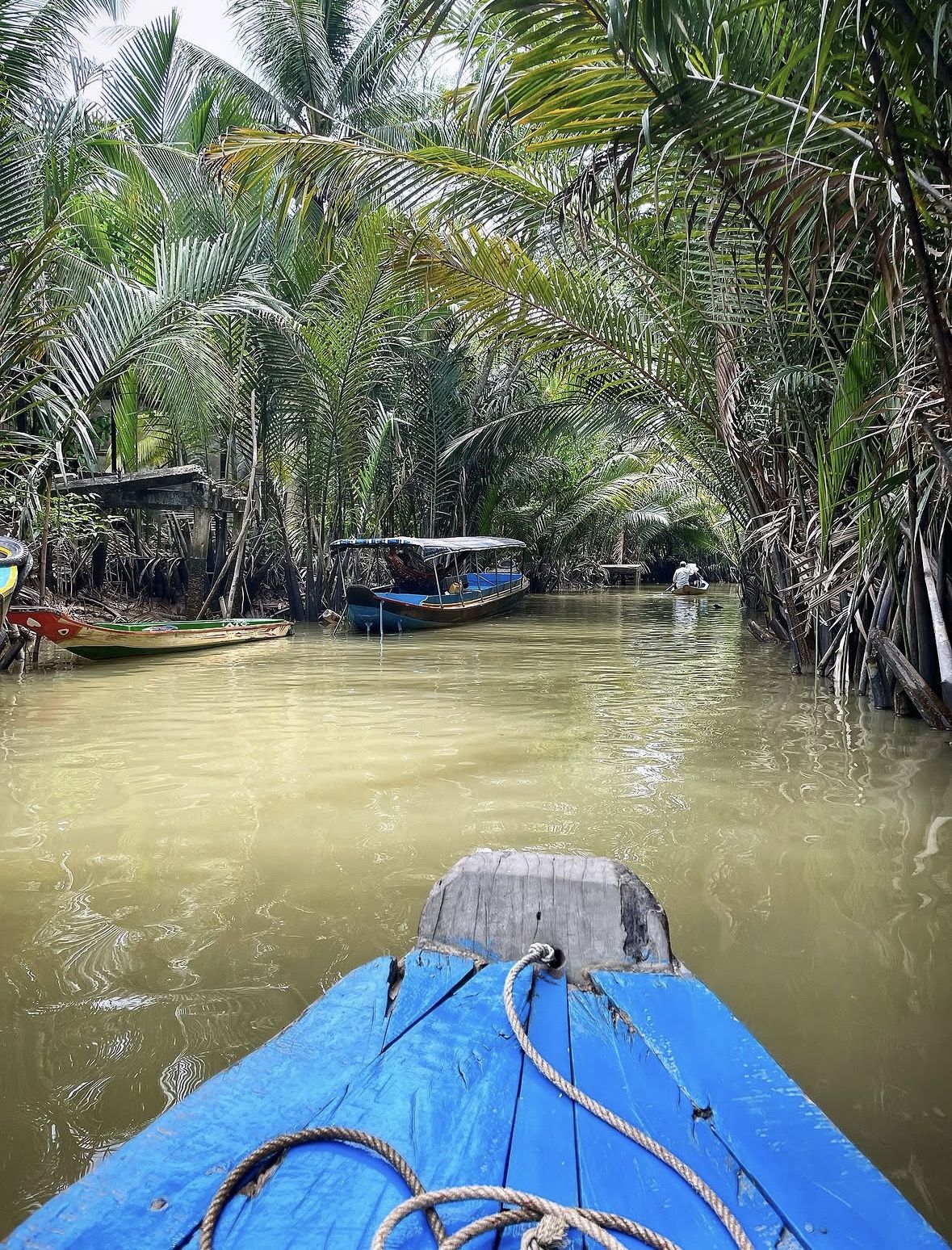
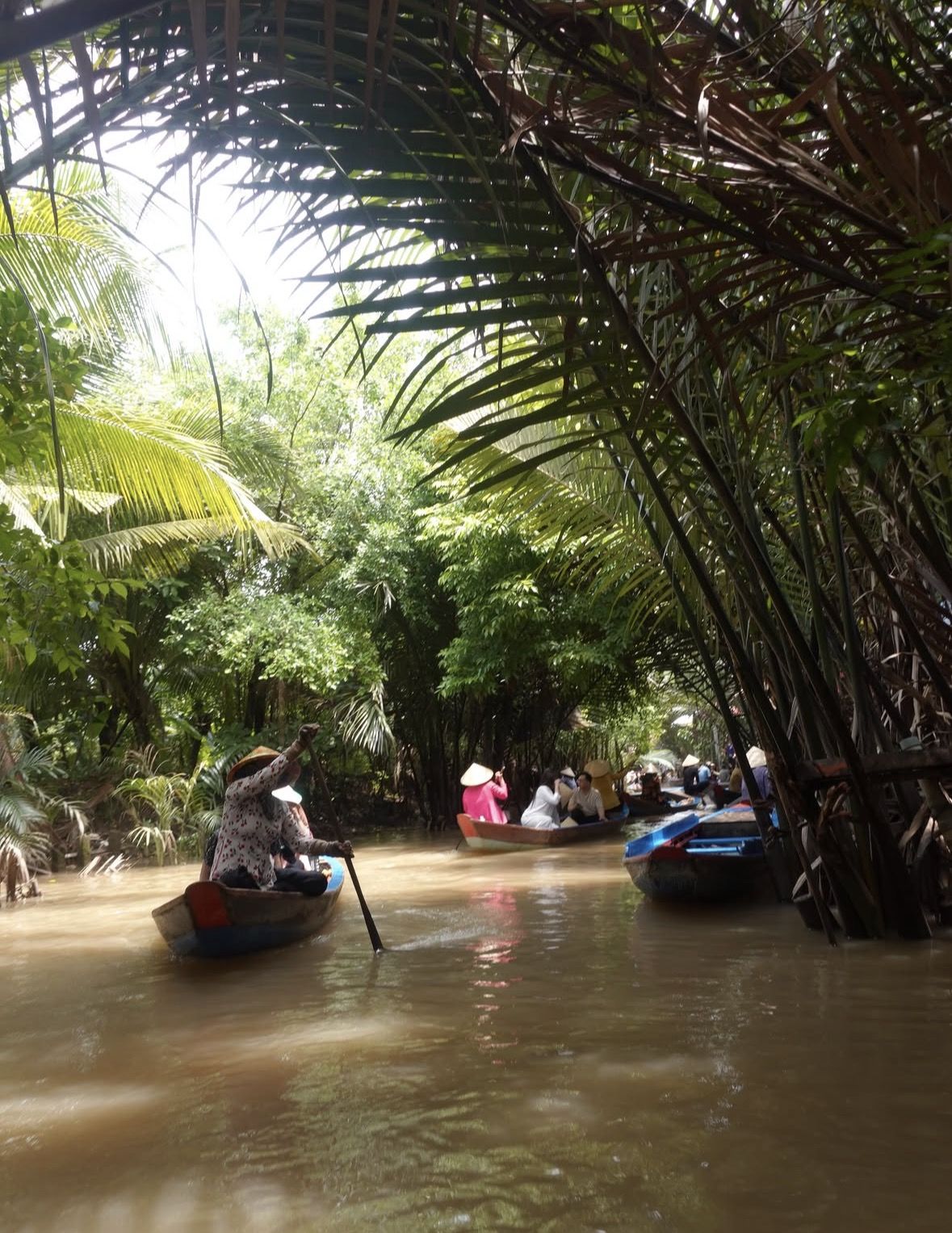
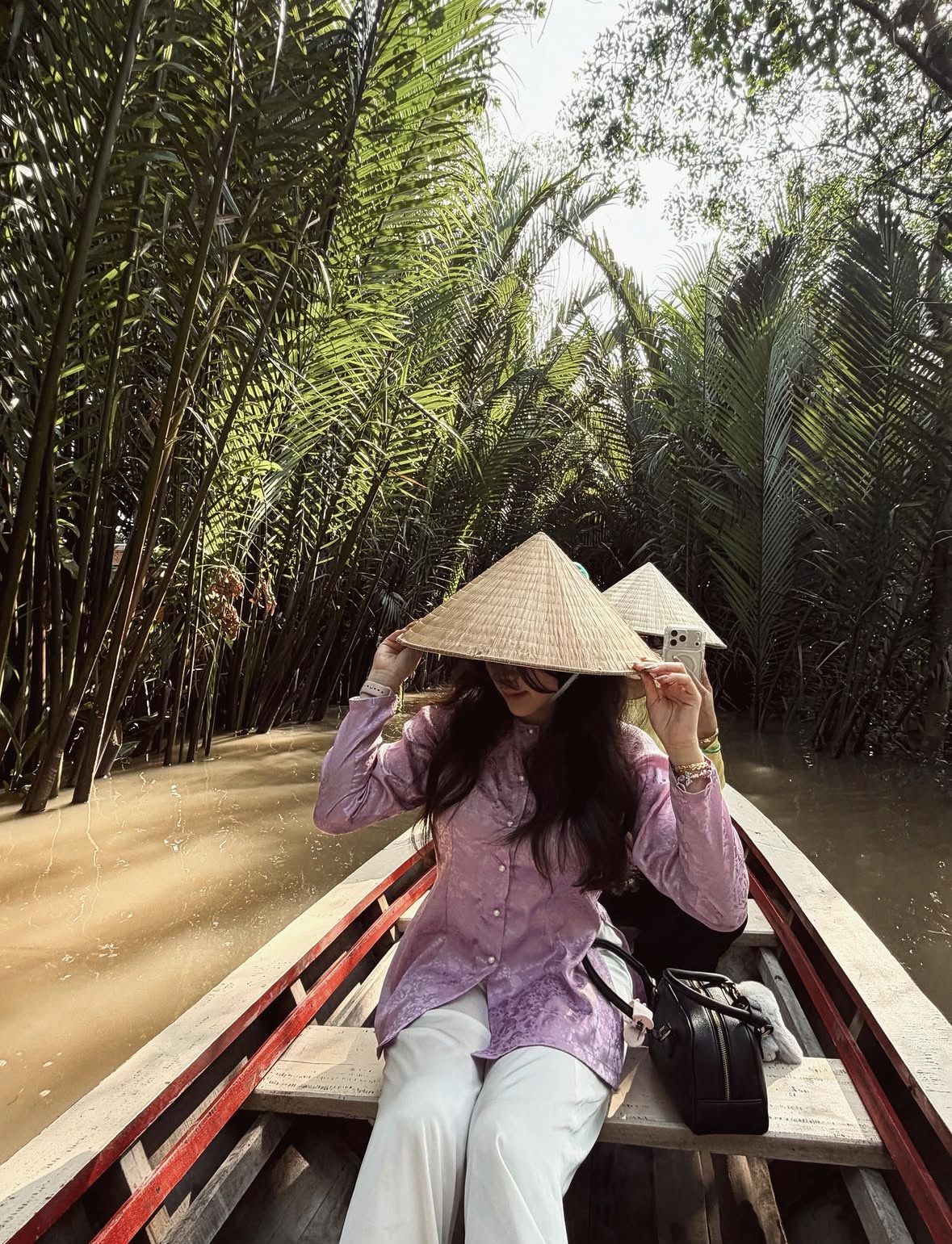
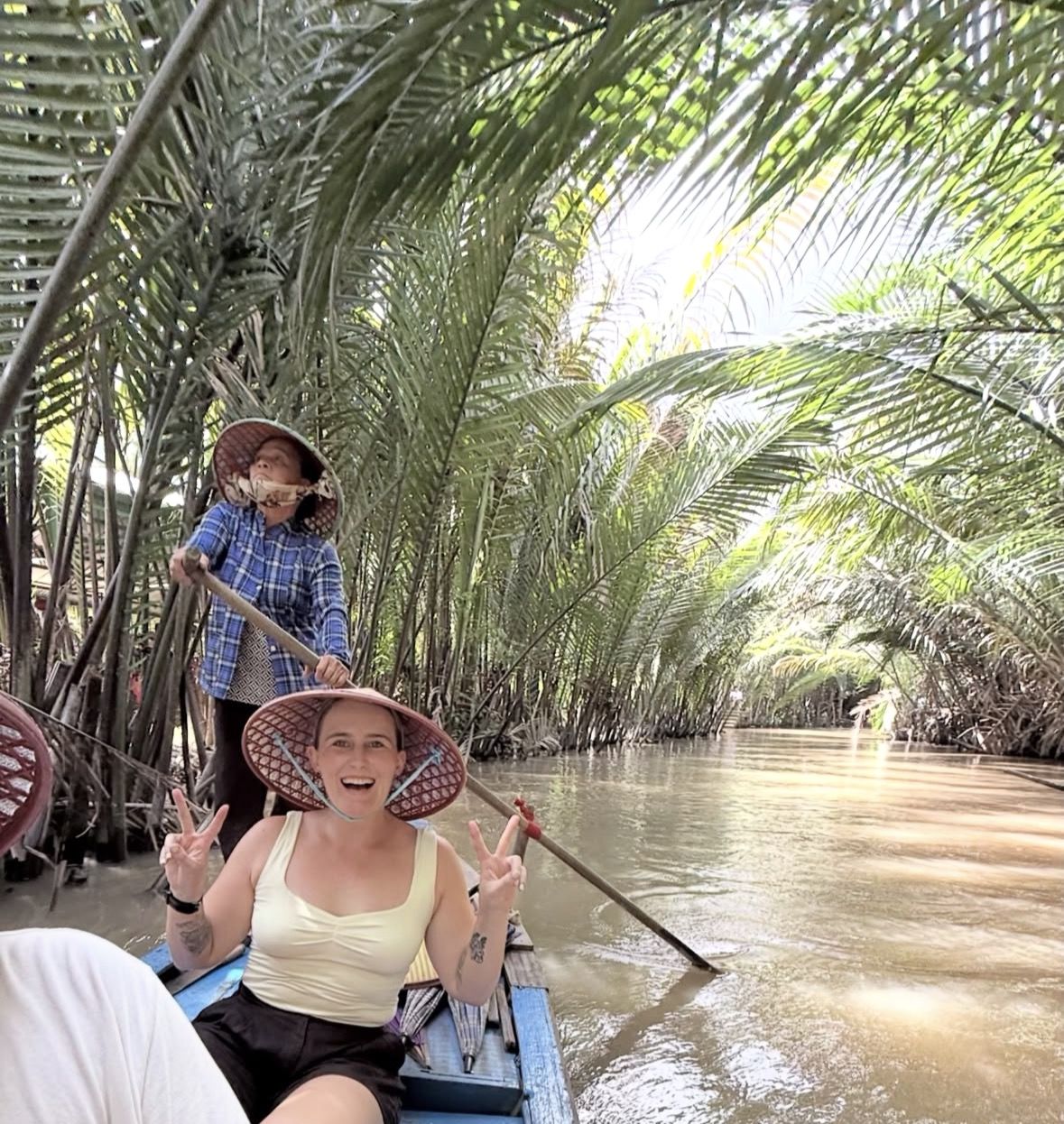
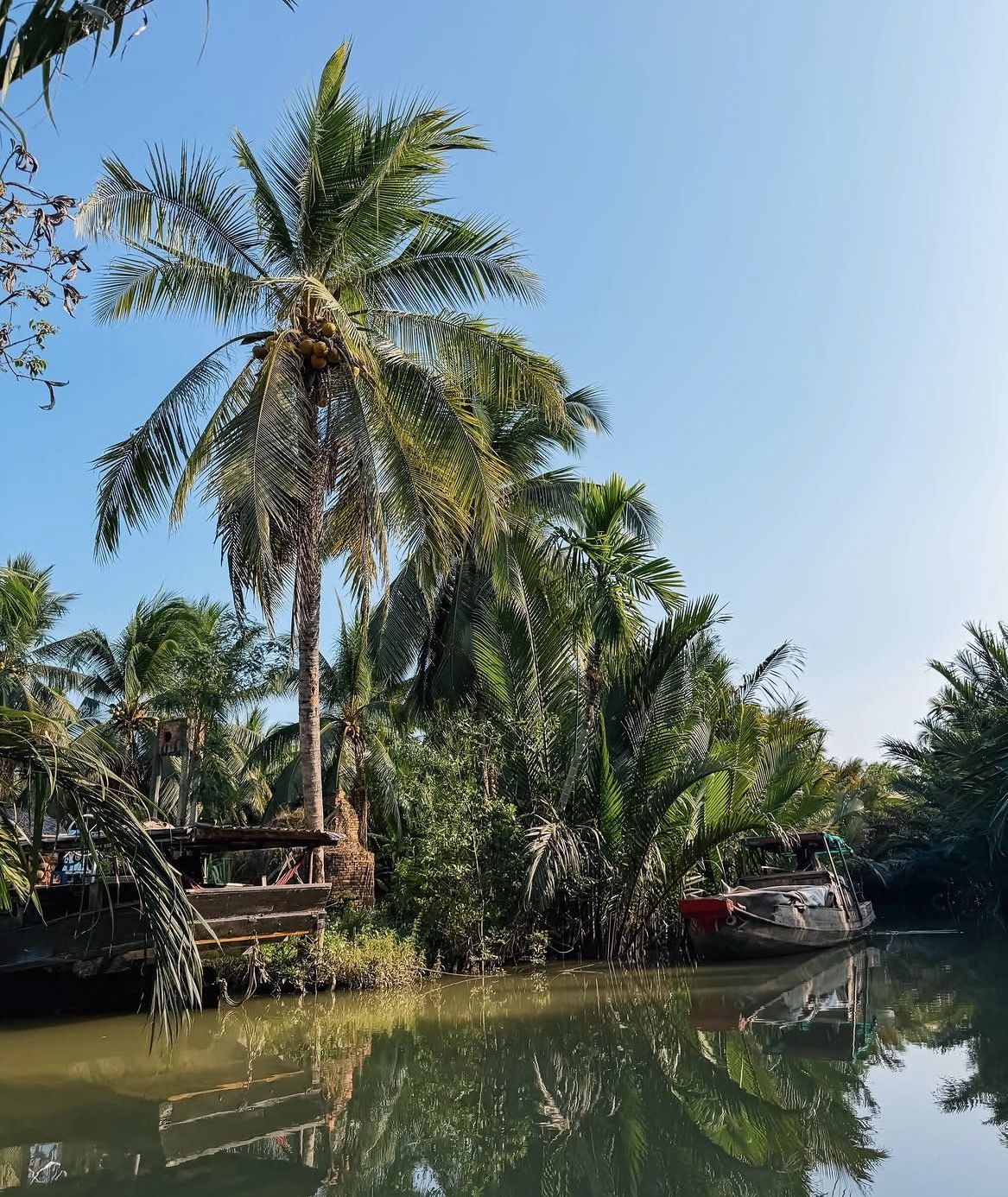
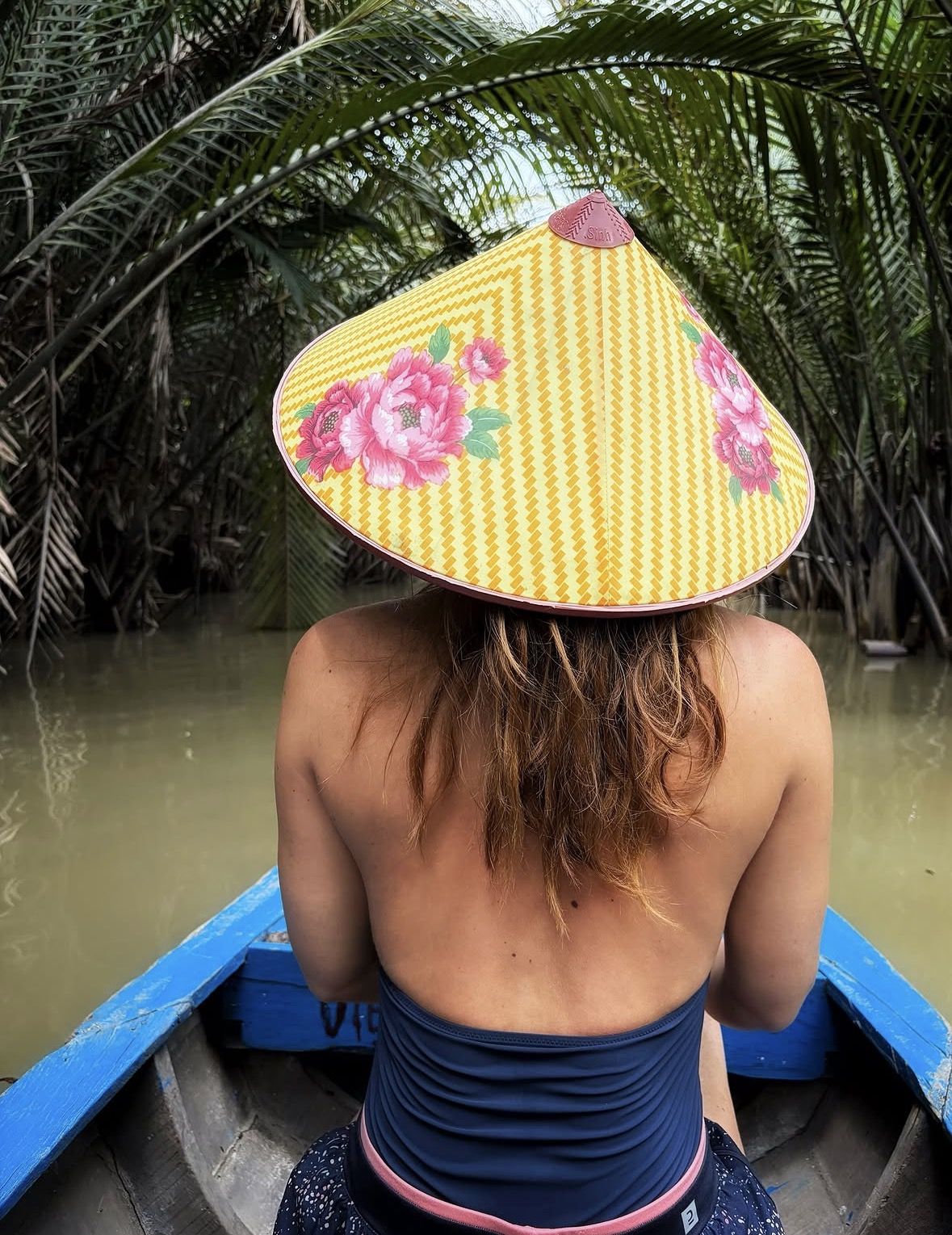
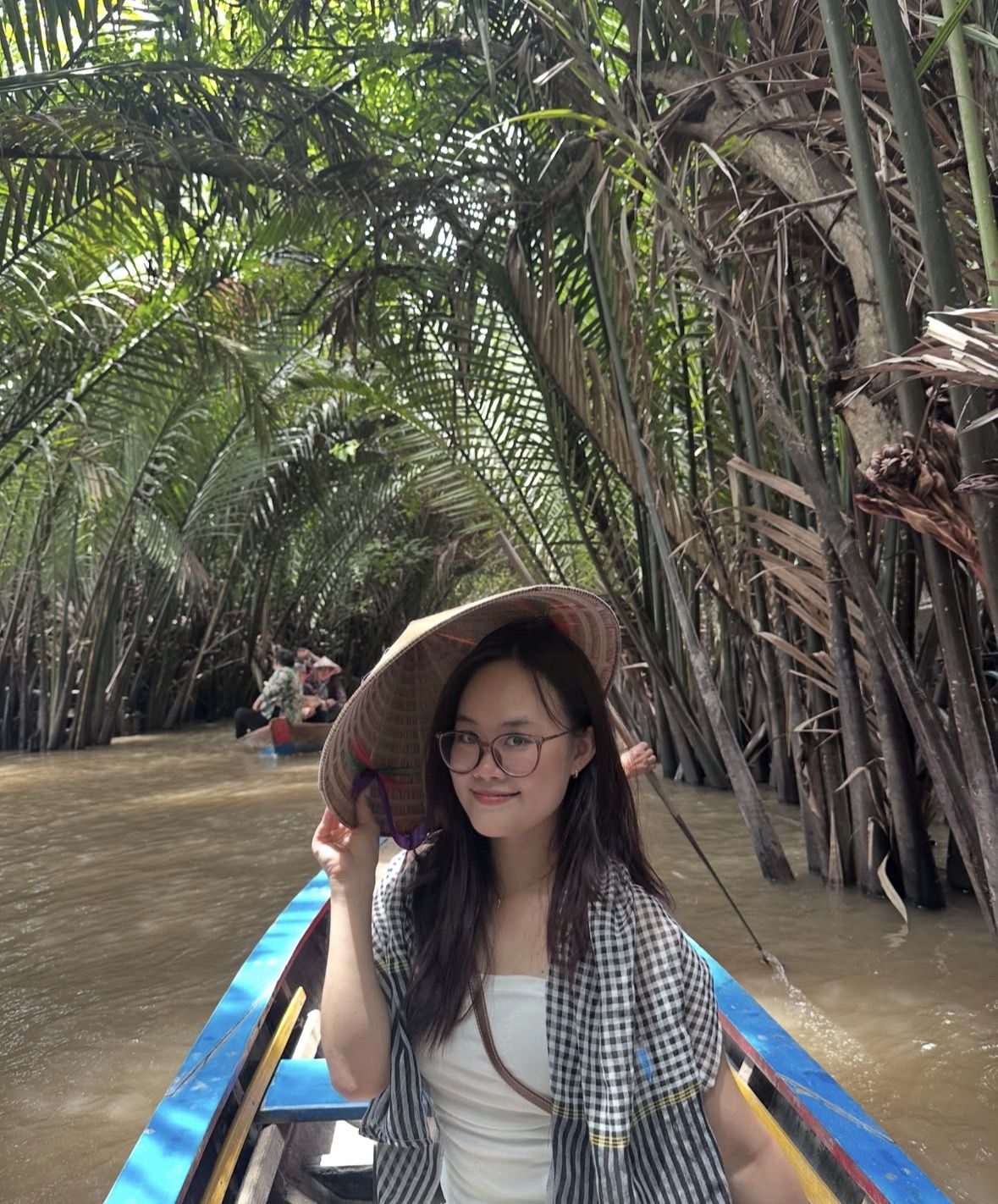
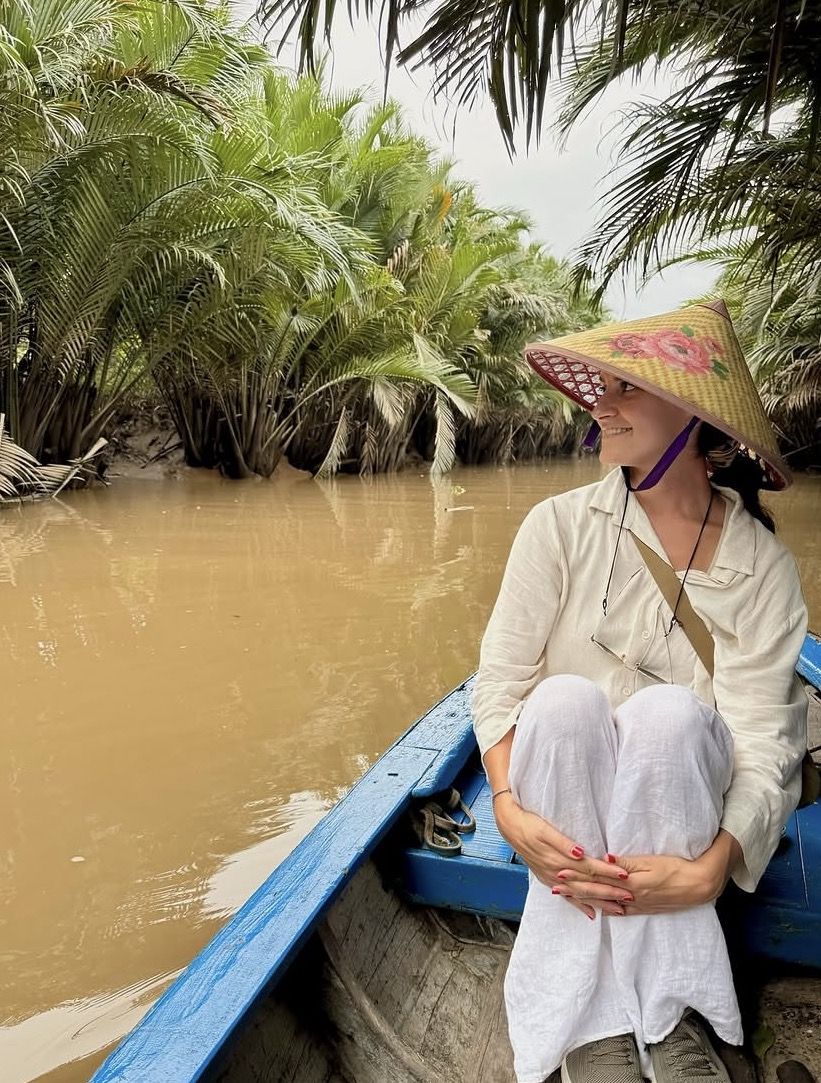
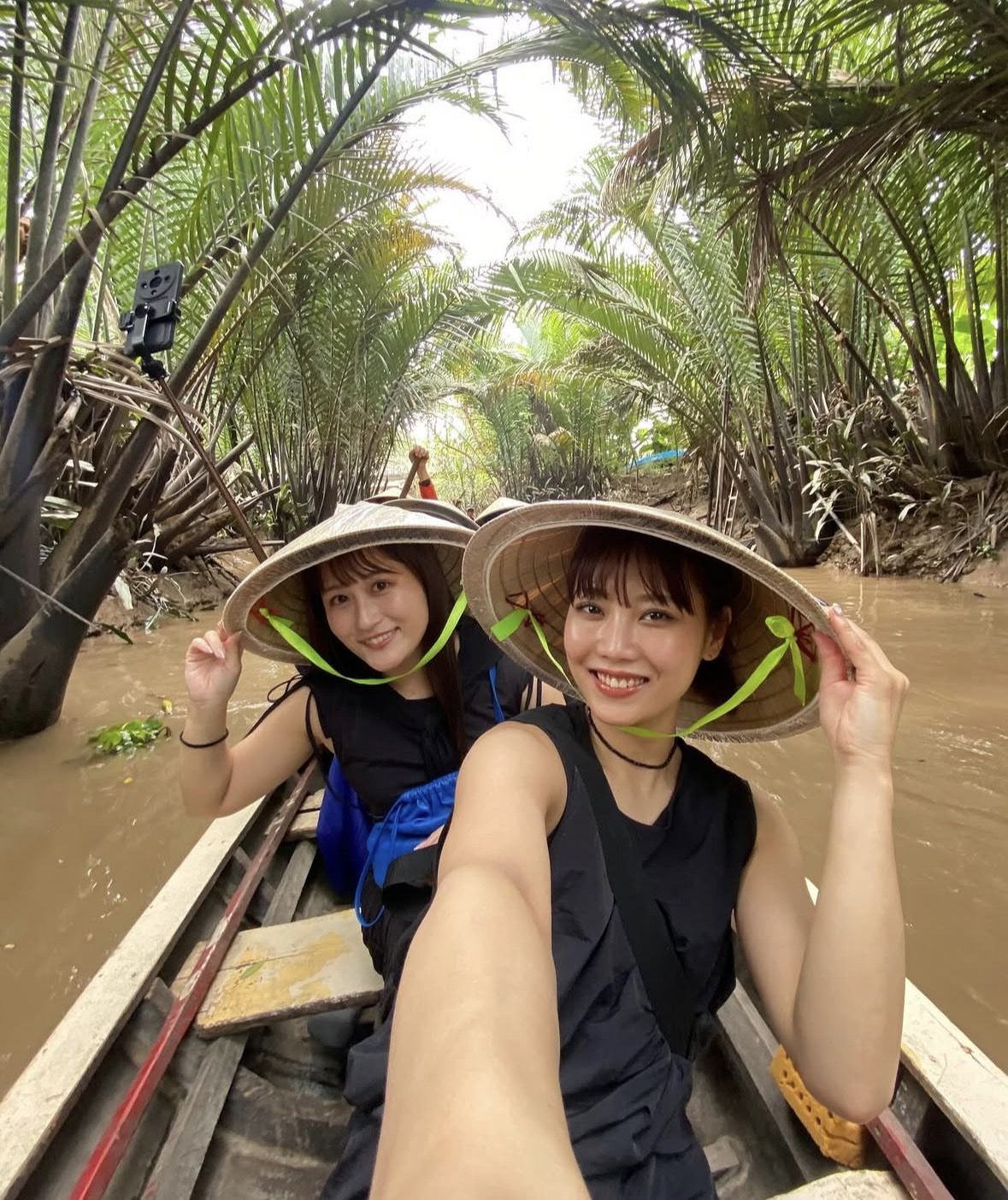
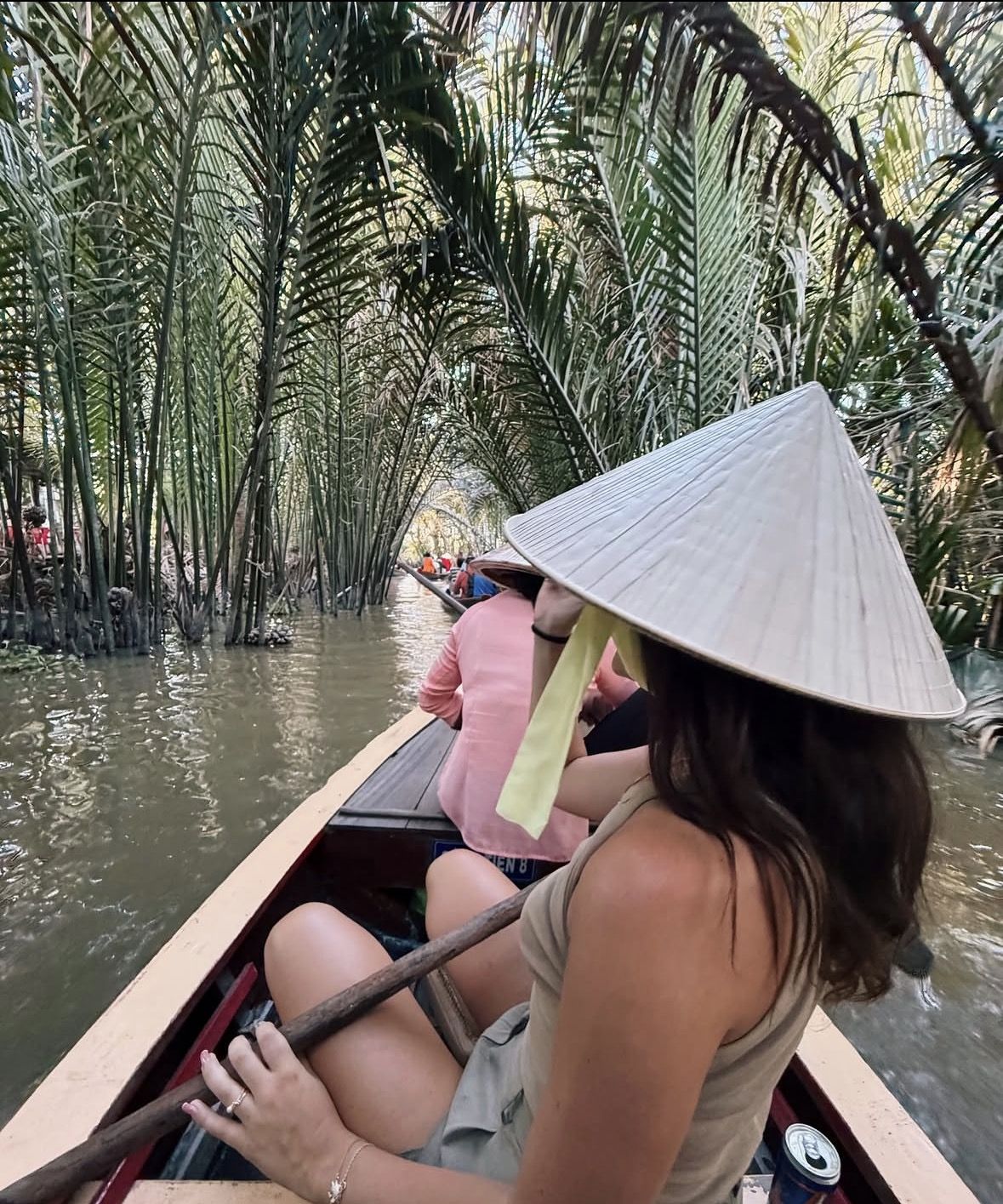
A vast labyrinth of rivers, canals, and emerald rice paddies stretches across southwestern Vietnam, sustaining millions and enchanting every traveller who visits. Life here flows by boat, and every bend in the waterway reveals a new village, orchard, or floating market.
Featured Tour
The Cu Chi Tunnels & Mekong Delta with Coconut Village Tour is your perfect one-day escape that blends wartime history with serene river scenery. Step into the legendary Cu Chi tunnel network — an extraordinary underground labyrinth used by Vietnamese soldiers during the resistance against US forces — and discover how an entire community survived beneath the earth. Then head south to the iconic delta region, where you board a motorboat and glide along broad waterways before swapping to a rowing boat that drifts silently under dense canopies of coconut trees. A delicious Vietnamese lunch served at a local restaurant ties the experience together beautifully, giving you an authentic taste of southern Vietnamese culture in a single, seamlessly organised day.
About the Destination
Spanning the southwestern tip of Vietnam, this extraordinary region is defined by one of Asia's mightiest rivers. Twelve provinces and two major cities share its fertile floodplains, each offering a distinct window into delta life.
The Mekong Delta occupies roughly 40,500 square kilometres in southwestern Vietnam, bordered by Cambodia to the north and the South China Sea to the west and south. The region is shaped by nine distributaries of the Mekong River — known locally as Cuu Long, or 'Nine Dragons' — which fan out across the lowlands, depositing rich alluvial sediment that makes the soil among the most productive in all of Southeast Asia. Can Tho, the delta's largest city, serves as its commercial and transport hub.
Historically, the region was part of the Khmer Empire before Vietnamese settlers moved southward from the 17th century onward. Chinese immigrants fleeing the Ming dynasty also shaped its demographics and trade culture, while French colonial rule in the 19th century introduced large-scale rice cultivation infrastructure. The area witnessed intense conflict during the Vietnam War, particularly in the U Minh Forest and along the Plain of Reeds. After reunification in 1975, the delta's provinces were reorganised, and today it stands as a cornerstone of Vietnam's modern agricultural economy.
Visitors experience a world apart from Vietnam's bustling cities: narrow wooden boats navigating canals overhung with mangroves, vendors calling out from floating market stalls, and families living on stilted homes above tidal waterways. Local homestays in Ben Tre or Vinh Long let travellers wake to the sound of roosters and river breezes. Cyclists wind through sleepy villages while sampan ferries carry schoolchildren across morning crossings. The sensory richness — jasmine garlands, fresh durian, incense at riverside pagodas — makes every visit deeply memorable.
The delta's wetlands and mangrove forests shelter over a thousand animal species, including Irrawaddy dolphins, crocodiles, and countless migratory bird species. Tram Chim National Park is a globally recognised Ramsar wetland site.
Thanks to the river's nutrient-rich floods, farmers in the delta can harvest rice up to three times per year. It contributes roughly half of Vietnam's total rice production and a significant share of global exports.
The Mekong splits into nine main channels — the 'Nine Dragons' — before reaching the sea. These waterways form a 28,000-kilometre network of rivers and canals that remains the primary transport system for millions of residents.
Vietnamese, Khmer Krom, and Hoa (ethnic Chinese) communities each maintain distinct traditions, languages, and festivals throughout the delta. Khmer temples, Chinese clan houses, and Vietnamese communal halls can be found within kilometres of each other.
Cai Rang near Can Tho is the largest floating market in the region, drawing wholesale traders before dawn every morning. Phong Dien, Nga Nam, and Soc Trang are smaller but equally vibrant retail markets still used by locals daily.
Scientists warn that up to a third of the delta's land could be submerged by 2100 if sea-level rise and upstream dam construction continue unchecked. Saltwater intrusion already damages crops in coastal provinces each dry season.
Board a narrow wooden boat at 5 a.m. to witness the wholesale commerce of Cai Rang Market, where traders sell directly from their vessels piled high with tropical produce. It's one of the most photogenic and authentic experiences in all of Vietnam.
Rent a bicycle on Mekong river islands such as An Binh or Con Phung and pedal through shaded lanes connecting orchards, craft workshops, and family-run coconut candy factories. Routes are flat and beginner-friendly, making them perfect for all fitness levels.
Spend a night with a local family in Ben Tre or Sa Dec, sharing home-cooked meals of catfish clay pot, fresh herbs, and fermented shrimp paste. Homestays offer genuine cultural exchange that no hotel experience can replicate.
Honey bee farms near My Tho and Ben Tre welcome visitors to taste fresh honey straight from the comb, paired with herbal tea. Nearby fruit orchards overflowing with rambutan, jackfruit, and longan let you pick and eat your fill.
Luxury and budget river cruises depart from Can Tho or Ho Chi Minh City and wind through remote tributaries that day-trippers never reach. On board, guided talks cover ecology, history, and local cuisine alongside daily shore excursions.
Tram Chim National Park in Dong Thap Province is one of Southeast Asia's premier birdwatching destinations, home to the endangered red-headed crane and over 230 species. Early-morning boat rides through the melaleuca forest offer the best sightings.
See how the delta stacks up against other iconic river and wetland destinations across Southeast Asia.
Travellers drawn to river landscapes, local cultures, and agricultural heritage often weigh the Mekong Delta against other celebrated waterway destinations in the region. Each has its own character — some are more accessible, others more remote or more commercialised. This comparison table highlights the key differences in crowd levels, price, ideal visitor profiles, and standout qualities to help you decide which destination best matches your travel style and expectations.
| Crowds | Price | Best For | What Sets It Apart | |
|---|---|---|---|---|
| ★ Mekong Delta | Moderate | $–$$ | Culture, food & river life | Living floating markets, 9 river channels, rice-bowl heritage |
| Halong Bay, Vietnam | Very High | $$$ | Scenic cruising & caves | Dramatic limestone karsts but heavily touristed and cruise-centric |
| Irrawaddy River, Myanmar | Low | $$ | Off-the-beaten-path adventure | Pristine and uncrowded but limited tourism infrastructure |
| Tonlé Sap Lake, Cambodia | Low–Moderate | $ | Floating village culture | Fascinating seasonally flooded lake but fewer tour options and services |
While Halong Bay dazzles with scenery and Tonlé Sap offers raw authenticity, neither matches the sheer cultural and agricultural depth found in the Mekong Delta. Its combination of accessible homestays, working floating markets, diverse ethnic communities, and world-class food makes it the most well-rounded river destination in Southeast Asia for travellers who want genuine immersion alongside reliable infrastructure.
Travel Guide
Everything you need to plan a smooth and rewarding trip to this iconic waterway region of southern Vietnam.
Most visitors arrive via Ho Chi Minh City (Tan Son Nhat Airport), which is the main international gateway to southern Vietnam. From the city centre, it is roughly 150 kilometres to Can Tho, the delta's largest city, accessible by express bus (3–4 hours), private car, or speedboat. Many organised day tours depart directly from Ho Chi Minh City hotels, making independent transport unnecessary for short visits.
Within the region, public buses and minivans connect provincial capitals, but the most practical and immersive local transport is by boat. Ferries cross major channels frequently and cost very little, while hired motorboats or wooden sampans allow flexible canal exploration. Can Tho has a domestic airport with flights from Hanoi and Da Nang, offering an alternative entry point that skips the road journey entirely.
The ideal window to visit is during the dry season, from November through April, when rainfall is minimal, roads and canal banks are accessible, and floating markets operate at full capacity. December to February offers the most pleasant temperatures — warm but not oppressive — and coincides with Vietnamese New Year (Tet) celebrations in late January or February. Booking accommodation well in advance is essential around Tet, as domestic travel surges dramatically.
The wet season runs from May to October, bringing daily afternoon downpours that raise river levels and sometimes flood low-lying roads. However, this period has its own appeal: the flooded fields turn vivid green, freshwater fish are abundant, and the famous 'mùa nước nổi' (floating water season) brings a unique landscape. Fewer tourists visit in this period, prices drop, and the delta's ecosystem is at its most dynamic and lush.
Packing light but smart is key for this humid, water-rich environment. The climate is tropical year-round, so breathable, moisture-wicking clothing is essential. Sun protection is critical — UV levels are high even on overcast days. If you plan to visit during the wet season, waterproof gear becomes non-negotiable. Boat travel means your belongings may get splashed, so waterproof bags or dry sacks are highly recommended for cameras and electronics.
Footwear should be practical: sandals or water shoes work well for boat trips and muddy canal paths, while lightweight trainers suit village cycling. Insect repellent containing DEET is essential, especially in mangrove and wetland areas where mosquitoes are active at dusk and dawn. A small first-aid kit, oral rehydration salts, and diarrhoea medication round out the essentials for travellers venturing beyond Can Tho into more rural areas.
Greet locals with a smile and a slight nod — warmth is always reciprocated in delta communities. Remove shoes before entering any home or pagoda, and dress modestly at religious sites. Bargaining is acceptable at floating markets and street stalls but should be done cheerfully and respectfully. Learning just a few words of Vietnamese — 'xin chào' (hello) and 'cảm ơn' (thank you) — goes a long way in earning goodwill from local families and vendors.
Carry small denomination Vietnamese dong (VND) cash at all times — floating markets, village eateries, and canal-side stalls rarely accept cards. Try local specialities such as hủ tiếu (pork noodle soup), bánh xèo (sizzling crepe), and fresh coconut water straight from the source in Ben Tre. Avoid booking tours through aggressive touts at bus stations; instead, use reputable licensed operators or your accommodation's front desk for trustworthy recommendations.
Consult a travel health clinic at least four to six weeks before departure. Recommended vaccinations for Vietnam include hepatitis A, hepatitis B, typhoid, and tetanus boosters. Malaria risk in the delta is generally low in tourist areas, but dengue fever — transmitted by day-biting mosquitoes — is a real concern, especially during and after the wet season. Use mosquito repellent diligently from dawn to dusk and wear long sleeves in wetland areas.
Water safety is paramount: drink only bottled or purified water and avoid ice in rural village settings where water quality is uncertain. Canal swimming is not recommended due to waterborne pathogens and boat traffic. The region is generally safe for tourists, but petty theft can occur in busy market areas — keep valuables in a concealed money belt. In an emergency, dial 115 for ambulance services or 113 for police; Can Tho's city hospital handles most medical needs for the region.
Explore More
From the buzzing streets of Ho Chi Minh City to the ancient temples of Angkor, the delta sits at the crossroads of southern Vietnam and Cambodia's most iconic attractions.

The Cu Chi Tunnels & Mekong Delta with Coconut Village Tour is your perfect one-day escape that blends wartime history with serene river scenery.
Check this tour →
The Mekong Delta Small Group Full Day Tour is designed for curious travelers who want to go beyond the surface.
Check this tour →
The Cu Chi Tunnels and Mekong Delta VIP Tour by Limousine is the gold standard for travelers who want to experience two of Vietnam's greatest destinations in a single day without…
Check this tour →
The Cu Chi Tunnels and Mekong Delta - VIP Tour is the gold standard for travelers who refuse to compromise on comfort or authenticity.
Check this tour →
The Mekong Delta 2-Day Tour: Floating Markets, Biking, Amazing Tour takes you deep into one of Southeast Asia's most captivating landscapes.
Check this tour →
The Mekong Delta and Cai Rang Floating Market 5-Hours Tour is a carefully crafted early-morning adventure that reveals the authentic rhythms of life along Vietnam's most…
Check this tour →
The Full Day Tour in Mekong Delta takes you deep into one of Southeast Asia's most captivating river landscapes.
Check this tour →
The Mekong Delta Full Day Trip - My Tho & Ben Tre - VIP Private Tour is the gold standard for travelers who refuse to settle for generic group excursions.
Check this tour →
The Mekong Delta Small Group Tour is the region's most beloved day experience, combining motor boat and hand-rowing boat trips along scenic canals with a bicycle ride through lush…
Check this tour →Traveler Reviews
See what travelers are saying about their Mekong Delta adventures.
"Cruising through the narrow waterways at dawn, watching farmers tend their floating gardens, was one of the most memorable mornings of my life. Our guide was incredibly knowledgeable about local history and pointed out details we never would have noticed on our own. The cooking demonstration at a family home in Can Tho was a genuine highlight — we learned to make fresh spring rolls using herbs picked right from the garden. I came home with a completely new appreciation for Vietnamese river culture."
"I booked a two-day guided tour and honestly wished I had stayed for a week. The boat ride through the fruit orchards near My Tho was absolutely stunning — mangoes, rambutans, and coconuts hanging everywhere you looked. Our small group meant we got personal attention from the guide and could stop at spots the big bus tours completely miss. The overnight stay in a riverside homestay made everything feel authentic and unhurried."
"A fantastic experience overall, though I'd recommend going in the dry season if you want the most comfortable conditions for boat travel. The floating markets at Cai Rang were a feast for the senses — colorful boats piled high with tropical fruit, vendors calling out prices, and the smell of freshly brewed coffee drifting across the water. Our guide handled logistics seamlessly and always made sure everyone in the group was comfortable. I docked one star only because one of our scheduled stops was cut short due to tidal timing."
"This region completely exceeded my expectations in every way. I had imagined a simple river tour, but what we experienced was a deep immersion into a living, breathing culture shaped entirely by water. Watching children paddle wooden boats to school while their parents fished nearby was genuinely humbling. Every meal was freshly prepared using ingredients sourced right from the surrounding fields and waterways."
"The bike ride through the villages between waterways was the perfect way to slow down and really connect with local life. We stopped at a traditional rice paper factory and a bee farm producing wild honey — both completely off the beaten path and utterly fascinating. Our guide spoke excellent English and was happy to answer every curious question we threw at him. I would recommend this style of tour to absolutely anyone visiting southwestern Vietnam."
"A genuinely enriching trip that gave me a completely different perspective on Vietnam beyond the usual city highlights. The river scenes were strikingly beautiful, especially in the early morning light when mist still hung over the water. I found the floating market experience a bit rushed on a standard day tour, so next time I'd book a longer itinerary to give each stop more time. The food throughout was exceptional — fresh, flavorful, and so different from anything I'd eaten in Hanoi or Ho Chi Minh City."
"Spending two nights on a traditional wooden boat drifting through the canals was pure magic. The sounds of the delta at night — frogs, cicadas, water lapping against the hull — were unlike anything I'd experienced on a trip before. Waking up to a sunrise over the rice paddies and then sitting down to a freshly made Vietnamese breakfast was the definition of travel bliss. Highly recommend investing in the longer itinerary if your schedule allows it."
"Our family tour through the waterways was perfect for all ages — my kids were captivated by the boat rides and the chance to pick fresh fruit straight from the trees. The guides were patient, fun, and incredibly passionate about sharing their home region with visitors. We visited a coconut candy workshop where the children got to stir the mixtures themselves, which they still talk about months later. It's the kind of travel experience that reminds you why you leave home in the first place."
Watch Before You Go
See the floating markets, canal villages, and rice paddies of southern Vietnam through stunning travel footage.
Location
The Mekong Delta spans southwestern Vietnam, with Can Tho — its principal city — located at approximately 10.0452° N, 105.7469° E, roughly 170 km southwest of Ho Chi Minh City.
FAQ
Everything you need to know before planning your trip to this iconic Vietnamese waterway region.
Ready to experience the rivers, flavours, and warmth of southern Vietnam for yourself?
Book Your TourDiscover More
From ancient Khmer kingdoms and waves of Vietnamese and Chinese settlers to French colonial canals and Cold War conflict, the delta's past is as layered as its sediment-rich soil. Understanding this history transforms a river cruise into a journey through centuries of civilisation, migration, and resilience.